The Correct Procedure for Fire Alarm Testing
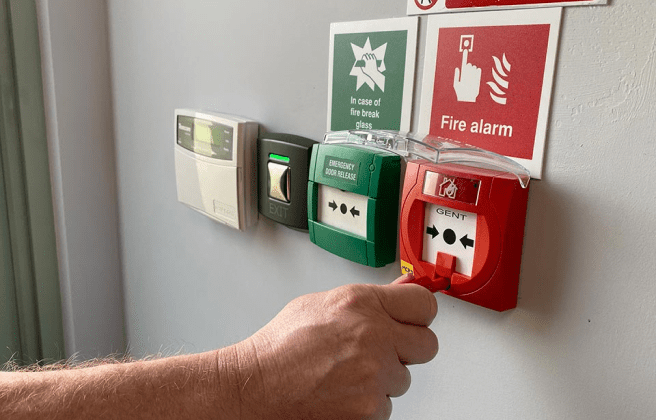
Regular fire alarm testing is one of the most important steps in maintaining a safe and compliant building. A properly functioning system ensures that in the event of an emergency, everyone receives timely alerts, and response actions can be executed without delay. Below is a breakdown of the correct procedure for conducting a professional fire alarm test — designed to keep your system reliable, your team informed, and your property fully protected.
Notify All Relevant Parties Before Testing
Before beginning any test, inform all affected personnel and departments in advance.
This includes:
– Building occupants and tenants
– The property management team
– Security and maintenance departments
– The local fire control center (if connected to an external monitoring service)
This step prevents unnecessary panic and avoids false emergency responses. A clear communication notice should specify *the time, duration, and purpose* of the test.
Inspect and Prepare the Equipment
Verify that the system components are ready for testing. Check:
– All *detectors*, including smoke and heat sensors
– The *control and indicator panel*
– *Sounders and visual alarms* (sirens, strobes)
– Any *emergency voice communication systems* or *interconnected devices*
Ensure backup power sources (like batteries) are functional. Record any devices that are temporarily isolated during the test.
Perform Step-by-Step System Testing
Activate each component methodically:
– Trigger test smoke or heat inputs on selected detectors
– Observe the *panel’s response*, ensuring correct zone identification and alarm display
– Confirm that *audio and visual alarms* function clearly and simultaneously
– Validate *communication signals* to external monitoring stations (if applicable)
During the process, test a variety of detectors across multiple zones to confirm the entire system’s reliability, not just a single section.
Restore the System After Testing
Once testing is complete:
– Reset the fire alarm control panel
– Reconnect any zones or detectors that were isolated
– Confirm normal system status — no lingering faults or test indicators should remain
This step ensures the system is fully operational and ready for real emergencies.
Record and Review the Test Results
Document all findings in a *Fire Alarm Test Record Log*, including:
– Test date, time, and responsible personnel
– Devices tested and results obtained
– Any issues discovered and corresponding corrective actions
– Signature of the responsible fire services engineer or inspector
Proper documentation is crucial for *compliance with fire safety regulations* and for tracking the system’s long-term performance.
Continuous Improvement and Maintenance
Even with regular testing, fire alarm systems require *routine preventive maintenance* and *annual inspection by certified fire service engineers*.
Regular reviews help ensure that all devices remain in top condition and that new building changes do not compromise coverage or response efficiency.
Conclusion
Performing fire alarm testing correctly is not just a routine task — it’s a vital responsibility that protects lives, assets, and reputations.
A well-tested system reflects a culture of *discipline, professionalism, and proactive safety management. By following the proper procedures — **inform, inspect, test, restore, and record* — you ensure that your fire safety infrastructure performs exactly when it matters most.
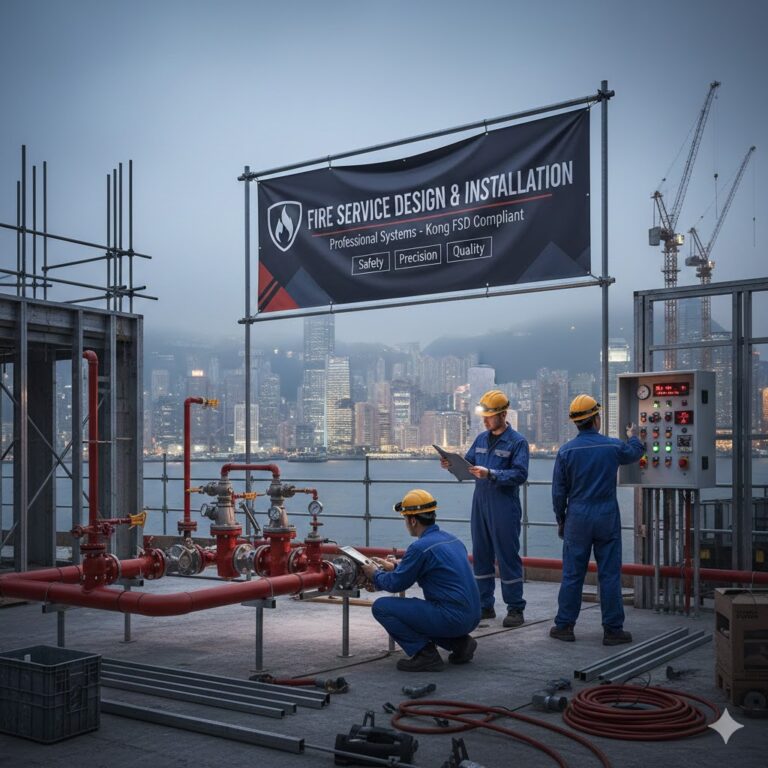
> *At REGION ENGINEERING (H.K.) CO., LIMITED*, we conduct every alarm test with precision and accountability — safeguarding Hong Kong’s buildings with intelligent fire protection you can depend on.